Ireland

Ireland's 9th living lab gift

Ireland’s 9th Living Lab engages with stakeholders for policy change

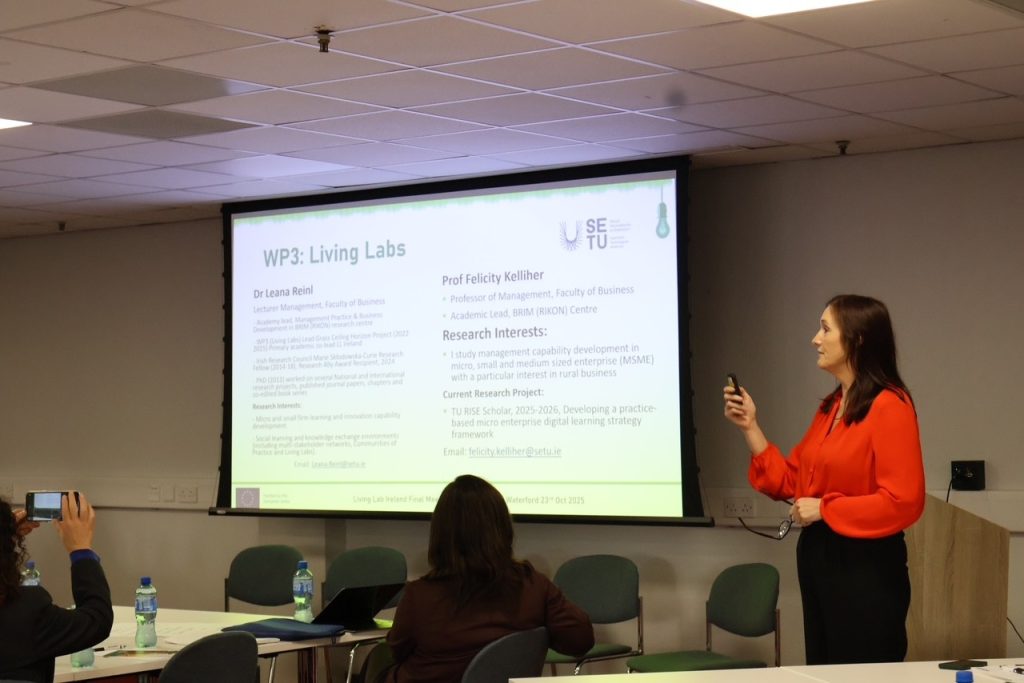
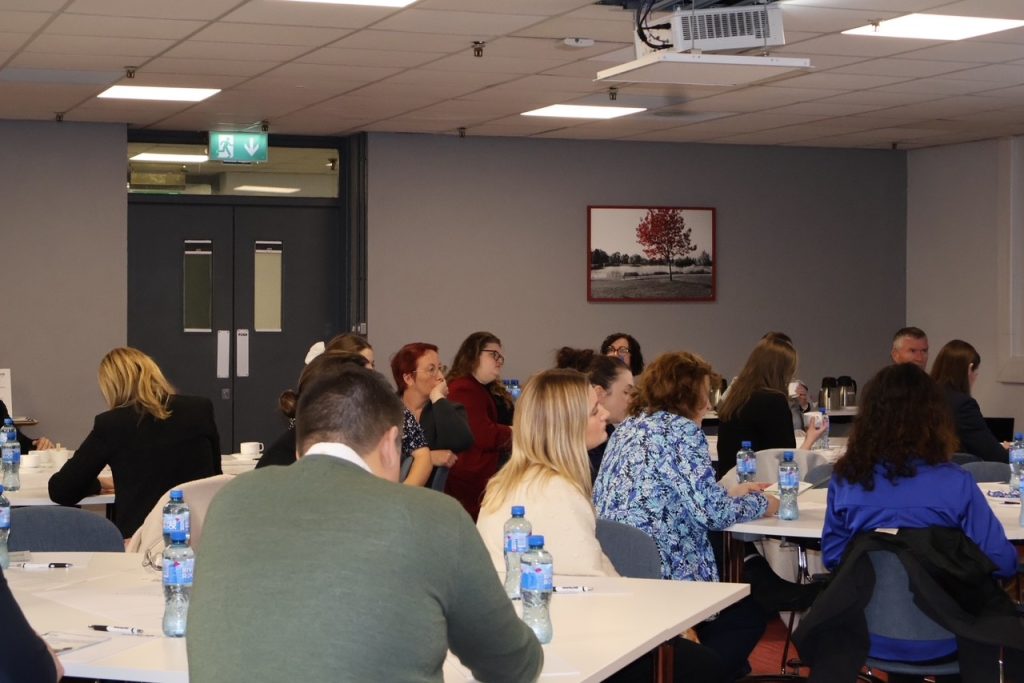
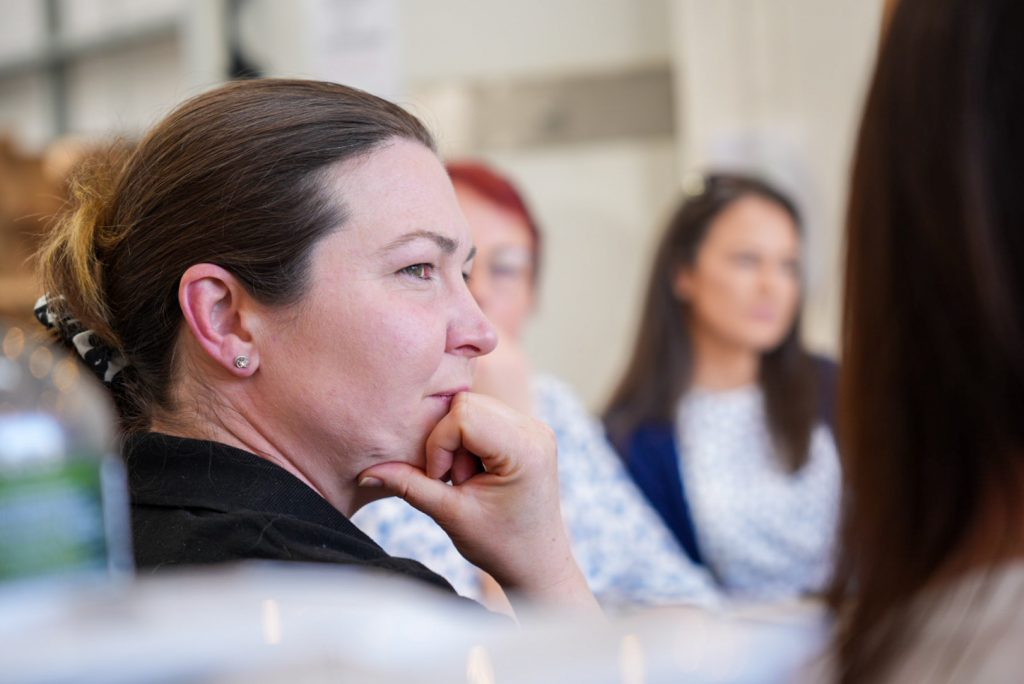
Ireland’s 9th Living Lab took place in the IDA Business Park’s WorkLab on October 23rd. The event brought together the six participants over the three years of the Labs and a range of relevant stakeholders with the aim of transforming project recommendations into policy change.

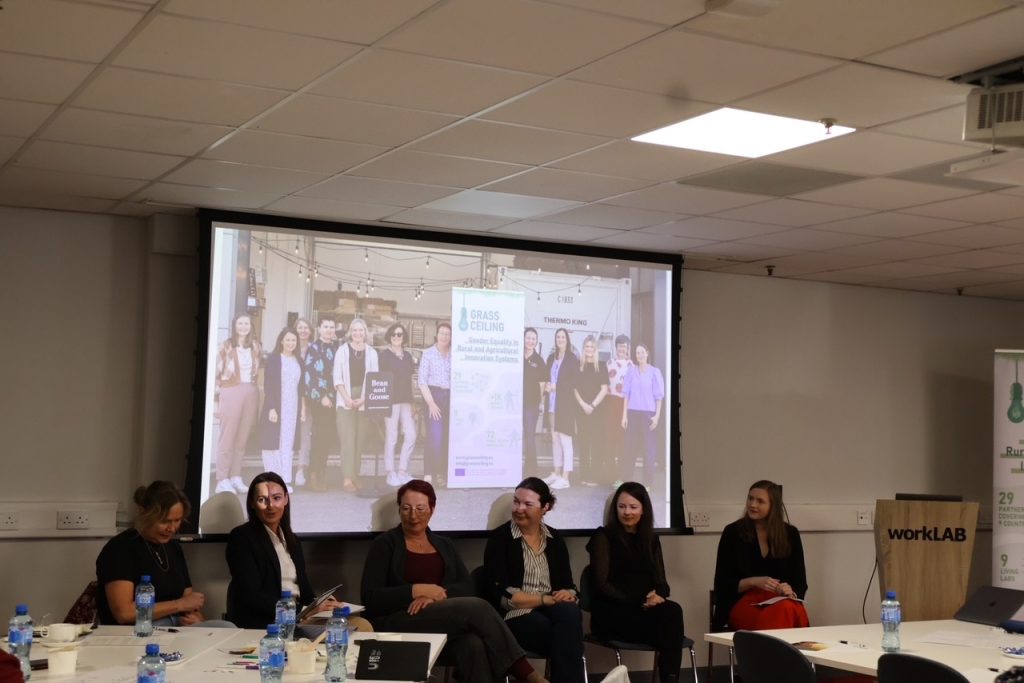
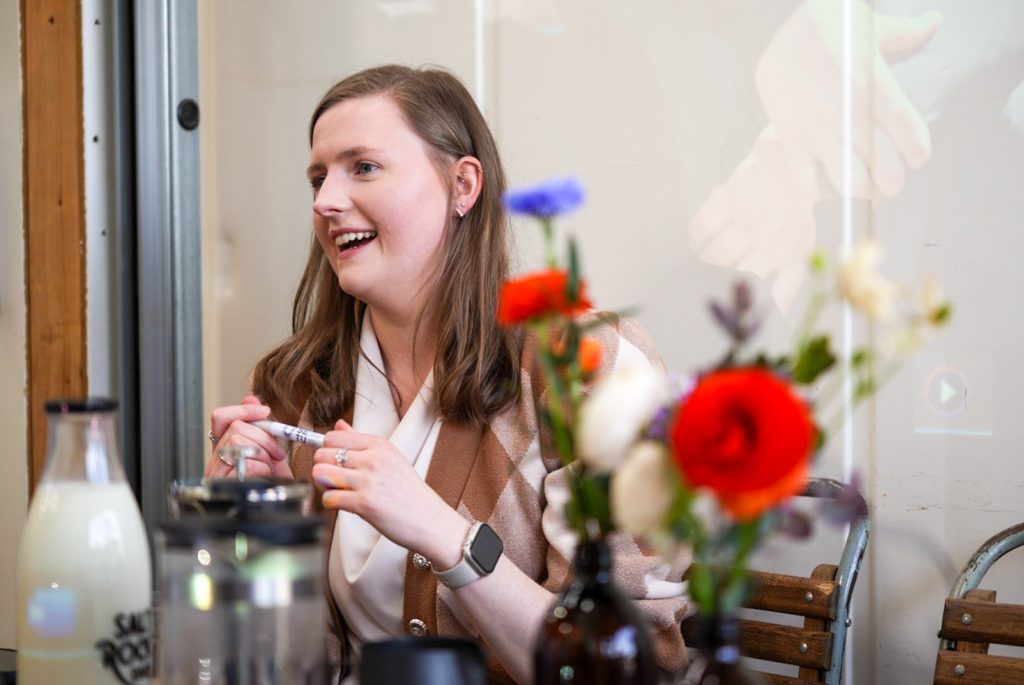
The final Lab showcased the innovations of the six women: Catherine Kinsella, Gina Ryan, Aileen Barron, Gail Daniels, Emer Lawrence and Karen Keane, who also spoke about the main barriers and key opportunities they encountered in their entrepreneurial processes. Challenges included balancing innovations with caring responsibilities, patriarchal assumptions around entrepreneurship and the lack of effective mentoring to meet the needs of women. The cumbersome and repetitive nature of funding applications was also noted, but Catherine Kinsella highlighted the Circular Economy Innovation Grant Scheme (CEIGS) led by the Department of Climate, Energy and the Environment (DCEE), offering grants of between €40,000 and €50,000, as an effective example of a simplified application process that could be replicated for other funding schemes.

Stakeholders were present from the Department of Agriculture, Food and the Marine, the Department of Rural and Community Development and the Gaeltacht, Skillnet Ireland, the Local Enterprise Office (LEO), the South East Regional Skills Forum, and colleagues at SETU. Stakeholders, women innovators, and the Irish GRASS CEILING research team participated in round table discussions aimed at communicating key project results and identifying actions based on these findings.

The keynote address was delivered by Paula Fitzsimons, director of the ACORNS programme (Accelerating the Creation of Rural Nascent Start-ups), funded under the Rural Innovation and Development Fund through the Department of Agriculture, Food and Marine (DAFM). ACORNS started in 2014 and is now in its 11th iteration. 550 women innovators have completed a cycle of the programme, among them three participants in the Irish Living Lab. Paula spoke about the importance of peer-to-peer learning among women that is both a feature of the ACORNS programme and the Living Labs.

The final Lab concluded by highlighting the importance of developing the collaborations formed at the event so that supports can be improved at a regional level and policy change can be achieved on a national basis.

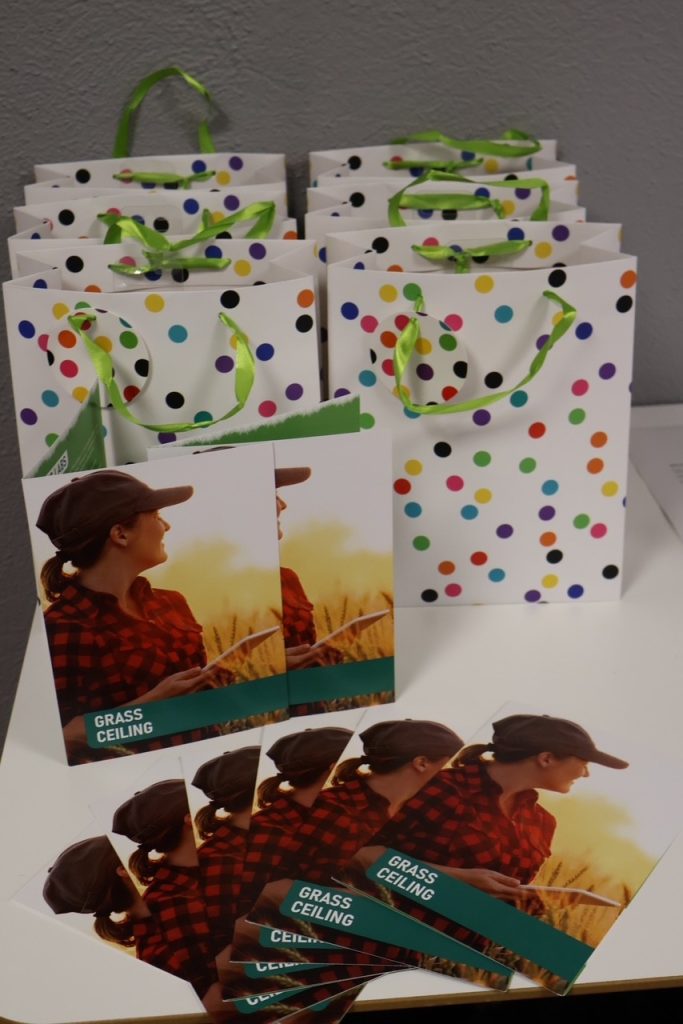
Gifts were presented to the women to thank them for their invaluable participation in the project and contributions to key recommendations. These were baubles by the Waterford-based Irish Hand Made Glass Company History engraved with the GRASS CEILING logo.

ireland's 9th living lab presentation
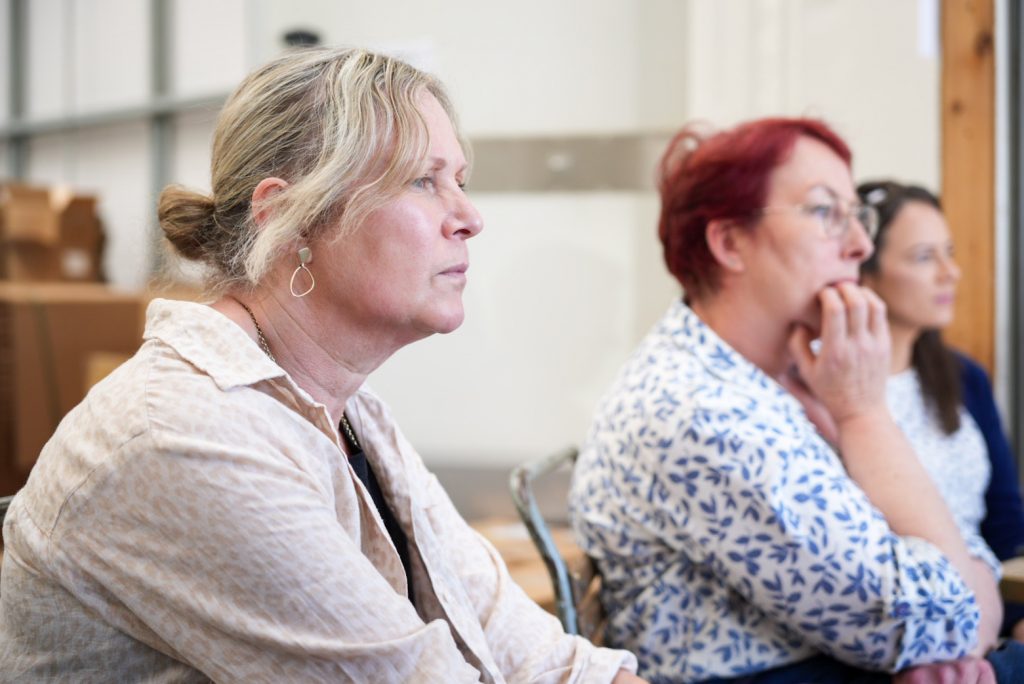
Ireland's 9th living lab attendees
women entrepreneurs presenting
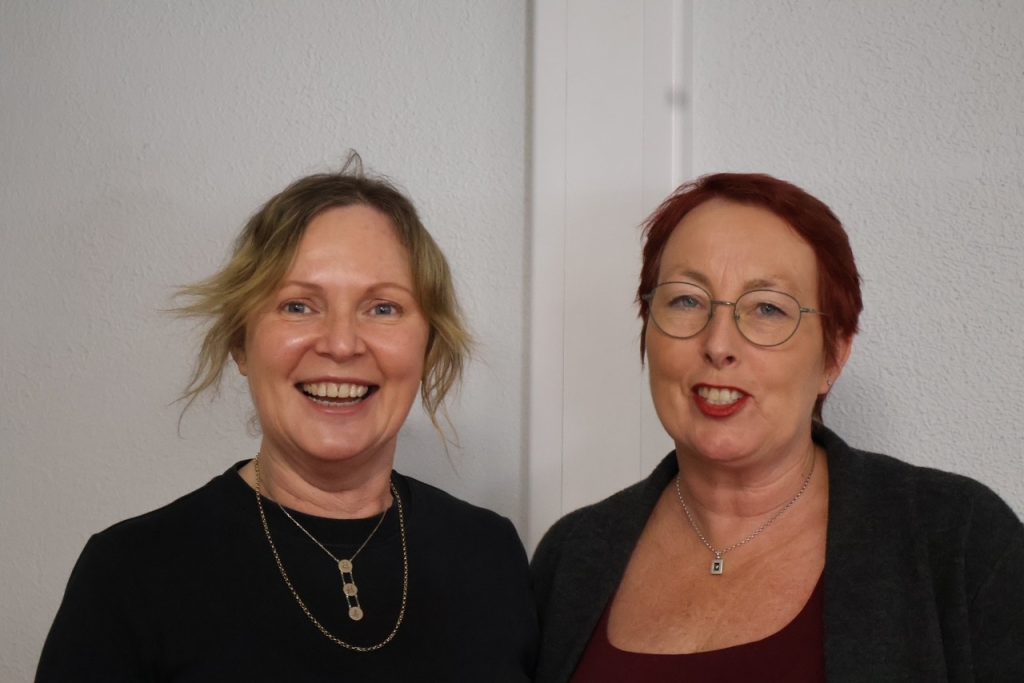
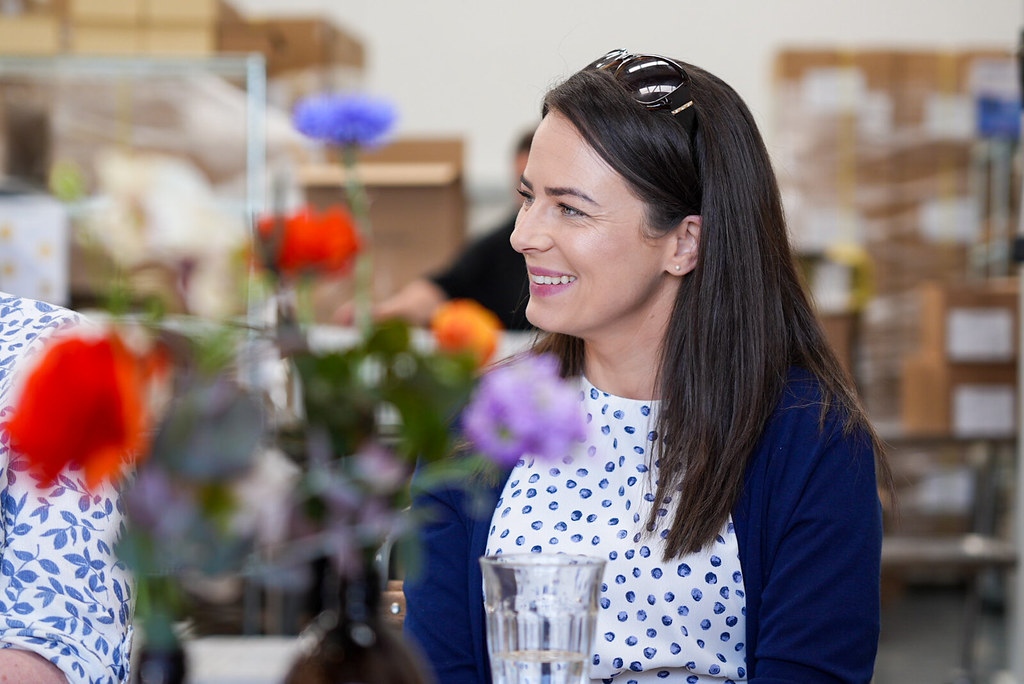
two of the entrepreneurs
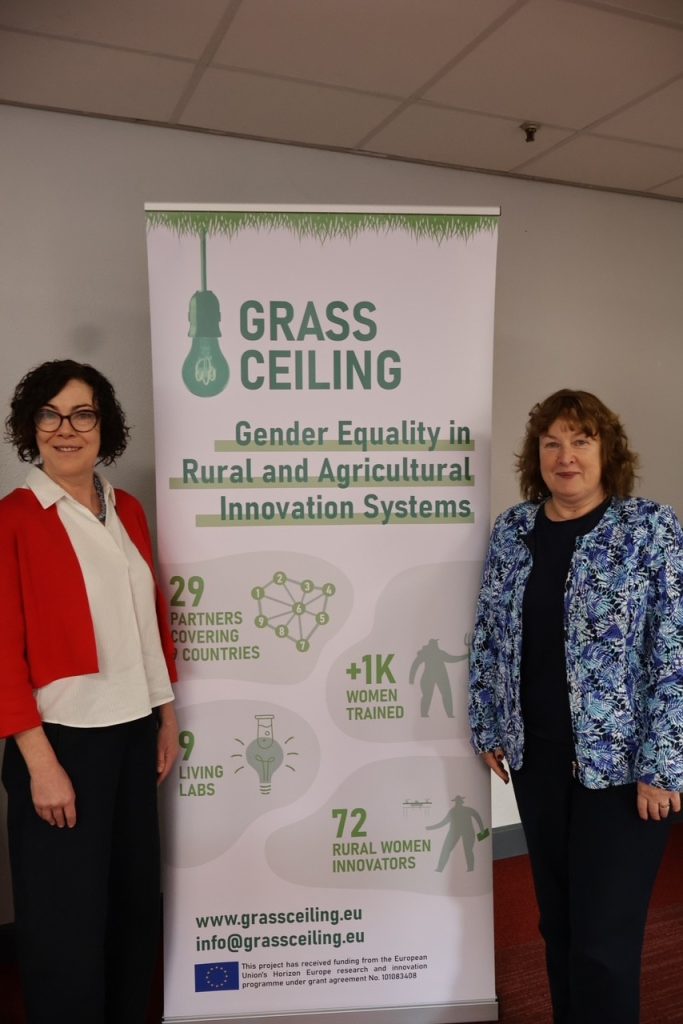
Project coordinator and academic standing next to Grass Ceiling Roll-up
ireland's 9th living lab gift bag

Ireland’s 9th Living Lab engages with stakeholders for policy change Read More »

The Keane sisters’ sweet success: a story of an Irish chocolate brand rooted in sustainability and female leadership

Nestled in County Wexford, Ireland, Bean and Goose Chocolate has crafted distinctive, sustainable chocolates for over a decade. Co-founded by Karen and Natalie Keane, this family business has blossomed from a humble kitchen startup into a vibrant workshop employing a dozen people.

Karen, 54, shares how Bean and Goose began 11 years ago with a vision to create a chocolate brand that delighted the palate and celebrated Ireland’s unique landscapes and flavours. “We wanted to create a chocolate brand that was sustainable and ethical and celebrated Ireland, the landscape, and the form that we have”, she explains.

Innovation plays a crucial role in Bean and Goose’s identity. The Irish countryside inspires the chocolates’ shapes, and a dedicated design team carefully crafts designs. Karen and Natalie develop every flavour in-house, showcasing local ingredients and collaborating with Irish producers and illustrators to tell a story through their products.

However, Karen is candid about her challenges as a female entrepreneur in the food industry. “Being a female entrepreneur does have its challenges. I think you have to explain yourself and your business more than a man would have to”, she admits. Early on, their chocolate business was not always taken seriously, a situation Karen believes would have been different had they been men.

Balancing multiple roles is also a reality for many women on her team, who often juggle work with caregiving and other commitments. Bean and Goose strives to accommodate these demands with flexible working hours, fostering an inclusive environment that supports women’s workforce participation.

Reflecting on the support needed to grow the business, Karen highlights the importance of financial assistance and mentorship. “We have had financial help from Enterprise Ireland and our local leader funding, which is excellent. Mentorship is critical as well. Networking with people and having business mentors helps you along the journey”. Bean and Goose’s journey exemplifies how passion, innovation, and community support can transform a small home venture into a thriving business honouring its roots while pushing boundaries. Their story is not just about chocolate, it’s about resilience, female empowerment, and celebrating the richness of Ireland in every bite.

The Keane sisters’ sweet success: a story of an Irish chocolate brand rooted in sustainability and female leadership Read More »

Balancing family and entrepreneurship: the journey of Gina Ryan, the Microgreen Queen

Gina Ryan, a 39-year-old entrepreneur, shares her inspiring journey of building a successful business while prioritising her family. Starting in the network marketing industry ten years ago, Gina sought flexibility to recover from a serious surgery and generate income from home. This initial step into entrepreneurship planted the seeds for her passion project: microgreens.

Gina launched The Micro Green Queen three years ago, a business focused on growing and selling microgreen vegetables. She identified a clear market gap and was captivated by the nutritional benefits and ease of incorporating microgreens into daily diets. Her venture quickly outpaced her expectations, growing rapidly and gaining traction among health-conscious consumers.

However, Gina faced a critical decision. As a mother of two young children, she struggled to balance her ambitions with the demands of full-time childcare. The challenge of expanding her business clashed with her desire to dedicate more time to her children, leaving her at a crossroads. “There’s this expectation that women can do it all, but without a support system, it quickly becomes overwhelming”. Ultimately, she decided to step back from direct management and find someone ready to take the business to the next level, prioritising her family’s needs.

Gina’s story highlights female entrepreneurs’ unique challenges, especially when balancing family responsibilities. Reflecting on the lack of communal support compared to previous generations, she notes how the busy pace of modern life has eroded the “village” mentality that once helped parents raise children collectively. Her experience underscores a broader issue many women face in entrepreneurship: juggling the pressure to succeed professionally while fulfilling caregiving roles. Despite these challenges, Gina remains optimistic about building a successful business while maintaining her role as a dedicated mother, embodying the resilience and determination of many female entrepreneurs.

Through initiatives like the Grass Ceiling project, Gina connected with other women entrepreneurs, fostering a community of support and collaboration. Her journey is a testament to entrepreneurship’s complex but rewarding path for women who refuse to choose between family and career.

Balancing family and entrepreneurship: the journey of Gina Ryan, the Microgreen Queen Read More »

Gail Daniels

From dairy farm to skincare success: Kilkenny farmer Gail Daniels & Bó Bar Soap’s unique journey

In the lush countryside of South Kilkenny, Ireland, Gail Daniels is redefining what it means to be a modern rural entrepreneur. As a dairy farmer with deep roots in her community, Gail has taken a bold step by creating Bó Bar Soap, a company that produces natural, handmade soap using cow’s milk directly sourced from her family farm.

The inspiration behind Bó Bar Soap is deeply personal. Gail’s daughter struggled with eczema, a condition that prompted her to seek gentle, chemical-free alternatives for skincare. While researching, Gail discovered the benefits of goat’s milk soap but realised she could not find a similar product made from cow’s milk, a staple on her farm. Driven by this gap in the market, she experimented with using milk from her grass-fed cows, which are known for their rich and nourishing properties similar to those of goat’s milk. “After trying the soap on my family, I noticed it didn’t cure eczema, but it significantly reduced redness, itching, and irritation,” Gail explains. Encouraged by positive feedback from friends and family, she transformed her homemade remedy into a viable business.

Bó Bar Soap stands out in Ireland as a pioneering product, combining traditional farming with innovative craftsmanship. Gail’s approach highlights a growing trend among rural entrepreneurs, finding new ways to add value to their agricultural products while preserving the authenticity of their local heritage.

However, Gail admits that the biggest challenge in her journey has been overcoming self-doubt. “The main barrier was myself — having the confidence to start something new,” she shares. Despite limited direct obstacles from outside, stepping into entrepreneurship required determination and a willingness to learn. The COVID-19 lockdown period unexpectedly allowed Gail to deepen her knowledge through online research. Yet, as she neared the launch of Bó Bar Soap, she realised the need for more specialised support. Turning to the Local Enterprise Office in her county proved crucial, offering guidance and resources to help her navigate the business landscape.

As Bó Bar Soap continues to grow, Gail hopes her journey encourages more women in rural areas to explore entrepreneurship. “With the right support and belief in yourself, anything is possible,” she says.

From dairy farm to skincare success: Kilkenny farmer Gail Daniels & Bó Bar Soap’s unique journey Read More »

Emer Lawrence

Sowing the seeds of health: Emer Lawrence’s microgreens venture flourishes in Kilkenny

At just 28 years old, Emer Lawrence is carving out a green future in southeast Ireland. She runs a thriving microgreens business that supplies local shops, restaurants, and private customers with highly nutritious greens harvested at their peak.

Her journey into horticulture began by taking over a fellow participant’s business from the GRASS CEILING project. “I had a huge interest in getting into the horticultural sector,” she explains. “When Gina, who was also part of the programme, wanted to sell her business, I accepted”.

Microgreens, young edible seedlings of vegetables and herbs, are at the heart of her enterprise. “They have 40 times the level of nutrients that the mature vegetable has”, she says. “People who are interested in their general health, or those who are ill and want to boost their nutrient intake, often turn to microgreens. Mine are grown in organic soil and are pesticide-free”.

Innovation is already a growing focus of her work. She’s experimenting with sustainable uses for the compost left after each harvest. “I’m trying to decide whether to reuse it, grow other vegetables like potatoes with it, or sell it on. I’m still figuring out the best approach”.

But like many entrepreneurs, Emer’s path has not been without challenges. “Probably the biggest obstacle is myself—dealing with confidence and impostor syndrome,” she admits. Beyond the personal, she also points to broader structural issues: “There aren’t as many grants or supports for getting into horticulture compared to the dairy and beef industries”. Support systems, she says, are crucial for growth. “We import a lot of our vegetables and fruits from Ireland. Helping people get into this sector could make a real difference”.

What she values most about her work is the autonomy. “Working around life has been fantastic,” she says. “It also allows me to explore my interest in horticulture, pursue training, and build a network”.

She’s already active in the local enterprise board, which provides training, mentoring, and networking events. “It’s a great way to meet other entrepreneurs, especially women”, she adds. Her participation in GRASS CEILING has also been transformative. “It helped me build a network; more importantly, it’s how I came to have this business in the first place”. With roots firmly planted and ambition blooming, Emer is growing more than microgreens—she’s cultivating a sustainable and empowering model for young rural entrepreneurs across Ireland.

Emer Lawrence

Sowing the seeds of health: Emer Lawrence’s microgreens venture flourishes in Kilkenny Read More »

Aileen Barron

Aileen Barron and Green Acre Marketing, revolutionising agribusiness marketing in Ireland

When Aileen Barron founded Green Acre Marketing in 2013, she wasn’t just launching a business but challenging the conventions of a traditionally conservative sector. Based in County Waterford, Ireland, her company focuses exclusively on marketing for agribusinesses, filling a vital niche at a time when the digital revolution was only beginning to touch the agricultural world. “We were the first to push those boundaries with agribusinesses,” she explains, “to get away from traditional marketing styles and to bring innovation and new technology.”

Aileen, now Managing Director of the company, identified early on that agriculture needed more than just visibility; it needed tailored communication tools, primarily as marketing evolved rapidly in the digital age. “Marketing was in a space where things were changing,” she recalls, “and we felt that digital marketing was going to become a real factor for agribusiness.” What makes Green Acre Marketing stand out is its forward-thinking approach: not just adapting marketing tools to the sector, but helping clients imagine possibilities they hadn’t considered. This proactive innovation means understanding what currently exists and what can be developed. “We’re constantly asking ourselves, are there other support mechanisms we can bring to them regarding that marketing space?”

Despite the excitement of entrepreneurship, Aileen acknowledges the challenges, especially the emotional and strategic pressures of growing a business. “There’s a kind of loneliness,” she admits, “because you’re making that decision on your own regarding how your business will push forward.” The most challenging hurdles for her were scaling the business, handling finances, and building a team. However, she quickly highlights the importance of surrounding herself with the right people: “I’ve always been fortunate to have a powerful team behind the business.”

For Aileen, support is both internal and external. She knows her limitations and recruits people who can complement her strengths. “Recognising where the weaknesses are in the business, and even within yourself, and putting those systems and people in place to fill those gaps” is her formula for sustainable growth.

When asked what she enjoys most about her job, she doesn’t hesitate: it’s the people. “My customers and probably the people I work with,” she smiles. With clients across Ireland and beyond, and a deep passion for agriculture, her enthusiasm for the sector is evident. “It is an amazing industry to work in. I’m very passionate about agriculture and the future of agribusiness.”

Aileen Barron

Aileen Barron and Green Acre Marketing, revolutionising agribusiness marketing in Ireland Read More »

Catherine Kinsella

Catherine Kinsella: reviving traditional dairy with modern sustainability in rural Ireland

In the quiet countryside near Gorey, in Ireland’s southeast, Catherine Kinsella has built something that feels both nostalgic and forward-thinking. At Salt Rock Dairy, Catherine and her family produce milk, yoghurt and butter — all on their small coastal farm. But what truly distinguishes her work is not only the range of products, it’s the circular system behind them.

“We produce and sell directly to the customer via a self-vending machine”, she explains. The vending machine on the farm allows customers to fill and refill their own bottles. “People buy their bottles, fill their milk, and reuse those bottles constantly. It’s a whole self-service system”.

This simple but innovative setup embodies a deep respect for both tradition and sustainability. Once they had the milk operation running, Catherine began making yoghurt with leftover milk from the day. “Whatever milk is left over, we convert that into yoghurt before putting in the fresh tank the next day”, she says.

From there, she and her husband decided to experiment further, producing butter, but not just any butter. “There’s no local butter being made, and very little cultured butter really being made in Ireland”, Catherine notes. “So that’s what we’re doing now”. Their cultured, salted butter is made from cream separated on-site, to which they add gut-healthy bacteria, then ferment it before churning. The process also produces buttermilk, a by-product that customers eagerly buy for baking breads, scones, and pancakes. Even the skimmed milk finds new life as kefir, ensuring nothing goes to waste.

Salt Rock Dairy’s story began with a revelation. The family converted from dry stock to dairy farming in 2013, and for the first time, Catherine was drinking milk fresh from her own cows. “We were drinking our own milk and realised: this is not like the milk we’ve been drinking in the supermarket for the last 20 years”, she recalls. That discovery led to years of research into how they could bring that authentic flavour to others.

During the pandemic, with extra time at home, Catherine began researching self-vending systems she’d seen in the UK. By October 2021, Salt Rock Dairy opened its doors with its first vending machine — offering pasteurised, but non-homogenised milk straight from the farm. “We’re pasteurising because that’s required,” she explains, “but we’re not homogenising the milk. So when you buy milk from us, the cream rises to the top, like it used to in the 1970s”.

That decision, she says, makes all the difference. “It’s a richer product. It tastes richer. And it’s the same milk every dairy farm in Ireland produces; we’re just letting it be itself”.

There’s also a unique coastal character to Salt Rock Dairy’s milk. “We’re on the coast, with fabulous grassland,” Catherine says. “As Paul, my husband, would say: he doesn’t really farm cows, he farms grass, and the cows deal with the grass. Once he looks after the grass, we get good milk”. She suspects that the salty sea air contributes to the distinctive flavour and quality of their milk.

Despite its success, Catherine acknowledges the challenges of building a business in a rural area. “Accessing the market is the biggest challenge”, she says. “I live in a very rural area, which means there’s a very small population base, and a lot of our population in Ireland is focused in the bigger cities”.

Even so, Catherine’s drive and creativity have turned a family farm into a self-sufficient dairy hub that reflects her values. Salt Rock Dairy is not just a local enterprise, it’s a model of how small farms can combine old-fashioned craftsmanship with sustainable innovation. “We’re part of the circular economy”, she says simply. “And that means producing food that’s good for people, for the land, and for the future”.

Catherine Kinsella: reviving traditional dairy with modern sustainability in rural Ireland Read More »

8th Irish Living Lab meeting

Ireland’s 8th Living Lab celebrates sustainability and local produce while highlighting critical issues for women innovators in the region

A visit to Bean & Goose Chocolate Bar café

Ireland’s 8th Living Lab took place on April 30 (see meeting agenda) at Bean & Goose Chocolate Bar café, owned by Living Lab participant Karen Keane and her sister Natalie, located in Gorey, in the south east of the country.

Karen and Natalie founded Bean and Goose Chocolate in a home kitchen in Gorey in 2014. Now operating from a 3500sq ft factory at Ballyloughan Business Park in the town, they have expanded to become a team of 11 staff members. 2024 was a big year for the sisters when they launched onsite The Chocolate Bar Café. The flavours of Bean and Goose chocolate are inspired by the local landscape, particularly the coastal areas nearby. The company prioritises sustainability and carefully sources its cocoa beans so that producers are supported, and the environment is protected. Bean and Goose partner with Original Beans to source their cacao, ranked the world’s most sustainable chocolate producer in the Good Egg Awards in 2023 and 2024.

Starting the day with a tour

The day began with a tour of the chocolate workshop, adjacent to the café. Karen showed participants the process of making chocolate and developing different flavours. This was the first time an Irish Living Lab was held at an innovator’s place of work, so everyone had many questions for Karen and Natalie and, of course, also enjoyed tasting the range of treats provided: Salt Rock Dairy Yogurt, Bean & Goose Chocolate Granola and counter treats including cookies, chocolate brownies, and energy balls.

A notable feature for GRASS CEILING is that the milk and yoghurt used in the Chocolate Bar Café is provided by another Living Lab Ireland participant, Catherine Kinsella of Salt Rock Dairy. Catherine has established a direct sales model for milk produced on the family farm located in Gorey, also. Participants were delighted to see her milk trailer parked outside the café and to have the opportunity to visit it and see how it works. Catherine has recently expanded her online sales offer to include butter, yoghurt and kefir. Her innovations have been featured in the television programme Ear to the Ground, broadcast on Ireland’s national television station RTÉ.

Critical issues: Challenges in accessing funding, difficulties finding suitable mentorship and inequalities in caring responsibilities

Following the tour, Aisling Floyd, from Lab partner, Macra na Feirme, led a discussion with the women on key issues: their motivations to innovate, critical challenges faced and how they manage to achieve a work-life balance.

Participants spotlighted issues with accessing funding, including complicated bureaucracy, prohibitive terms and conditions and repetitive applications. They noted difficulties accessing effective mentorship and the need for Local Enterprise Offices to have a dedicated Rural Innovator Officer to more effectively understand their needs. Social and cultural factors were also discussed, and chief amongst these was childcare. The women reflected on how the traditionally unequal division of childcare in Ireland has impacted their capacity to innovate.

What next?

This session was a wonderful opportunity to see women-led innovations in operation and to hear about the specific challenges and opportunities faced by Living Lab participants in the Irish context. The women expressed satisfaction with the policy recommendations being generated by GRASS CEILING and their desire to contribute to the development a more positive and inclusive innovation environment for women. The day concluded with a brainstorming session to identify strategic stakeholders for the panel discussions in the final Living Lab in October, emphasising the importance of joining forces to advocate for change in policy and practice.

Ireland’s 8th Living Lab celebrates sustainability and local produce while highlighting critical issues for women innovators in the region Read More »

From left to right: Dr Martina Roche, Dr Mary Curtin, Dr Muireann Prendergast, Dr Aisling Murtagh

Irish Sociology Conference: gender data gaps, male dominance in farm ownership and ineffective gender mainstreaming in EU and national policies

The Sociological Association of Ireland held its annual conference on May 8th  at University College Cork. At the conference, Dr Muireann Prendergast, GRASS CEILING’s Postdoctoral Researcher at SETU, Waterford, led a panel entitled “Changing the Gender (In)equality Landscape in Agriculture and Rural Areas in Ireland: Challenges, Innovations and Opportunities.” (Conference Schedule here)

The panel was comprised of researchers working on sister projects: Dr Aisling Murtagh, University of Galway, representing the Horizon Europe-funded FLIARA project; Dr Martina Roche, Maynooth University, Principal Investigator of HER-SELF (Highlighting pathways to Empower Rural women to have Sustainable and Equitable Livelihoods in Farming) funded by the Department of Agriculture, Food and the Marine (DAFM); and Dr Mary Curtin, University of Limerick, who is involved in several projects and researching farm ownership through a gender lens. (Header picture: from left to right: Dr Martina Roche, Dr Mary Curtin, Dr Muireann Prendergast, Dr Aisling Murtagh)

Panellists discussed the current landscape for farm and rural women in European and national contexts, the different approaches to innovation being taken by women and the importance of sustainability, short supply chains, local communities and resources for these women.

Critical challenges explored included the factors sustaining male dominance in farm ownership and land transfer in Ireland, the implications of the lack of gender-disaggregated data available on women’s activities in farm and rural communities and economies and the problems experienced by women when attempting to access loans and funding programmes.

Speakers also highlighted inadequacies in representations of farm and rural women in EU and national policy, where they are often treated as a special category and framed with a discourse of vulnerability, and in national media platforms, where their contribution to agriculture and rural communities has traditionally been overlooked. Issues with gender mainstreaming at European and national levels were also spotlighted.

Concluding with a positive outlook, panellists noted the significance of the research findings on display and the timeliness of the recommendations produced during the consultation period for new national policy documents on agriculture and rural development.

Irish Sociology Conference: gender data gaps, male dominance in farm ownership and ineffective gender mainstreaming in EU and national policies Read More »

Klaudia Pasik Article

Cultivating change: how small-scale women entrepreneurs in agriculture are naturally seeding a blueprint for social sustainability

by Klaudia Pasik, MSc Student Wageningen University

In the face of intensifying social inequalities, the traditional growth-driven economy is increasingly scrutinised for it’s transactional and unsustainable narrative. In spite of these exclusionary systems a powerful but often underestimated force is quietly shaping the economic landscape: small-scale women entrepreneurs in the agrifood sector. By intrinsically and unconsciously embracing principles of degrowth—a transformative approach advocating for equitable downscaling of production, prioritisation of community well-being, and local resilience, these visionary women entrepreneurs offer a compelling alternative economic future.

This article provides an overview of a study conducted through Wageningen University, in collaboration with the team involved in the Grass Ceiling project. The content reflects the experiences of 11 small-scale rural woman entrepreneurs involved in the Acorns network across Ireland. These women’s entrepreneurial approaches highlight an intrinsically socially conscious business blueprint, casting essential light on the crucial role women play in forging pathways toward sustainable economic transformation. But how exactly do these women entrepreneurs enact these transformative practices in their daily business operations?

Rooted in Values: Ethical Decision-Making is an Action

The interviewed small-scale women entrepreneurs naturally ground their business decisions in deeply held personal ethics, prioritizing empathy, local culture, and environmental integrity over purely financial considerations. Their intuitive and resilient approach to decisions promotes community resilience and long-term sustainability. For instance, one bakery owner consciously turned down profitable contracts with large supermarkets due to her unwavering stance against food waste. As she puts it, “I refuse waste… I always make less than I know I’m going to sell. I always sell out, and I never throw anything away.” Another entrepreneur similarly exemplifies these intrinsic values by instinctively choosing sustainable glass packaging for her beetroot juice, remarking simply, “I wouldn’t even think of using plastic. It just doesn’t fit our values.”

Seeding Innovation: Reinventing Tradition in Harmony with Nature

Rather than pursuing radical technological disruptions, these women redefine innovation by thoughtfully adapting traditional processes and aligning their products closely with local needs and values. Their innovation is a nurturing act, focused on authenticity, meaningful impact, and operational efficiency. One oyster farmer creatively responded to the challenge of tourists wanting to take home oysters—a product difficult to transport. By introducing an oyster pickle, she cleverly reinvented tradition while meeting her customers’ unique needs. This thoughtful adaptation was celebrated, as she later won Ireland’s top seafood innovation award, demonstrating how genuine connection to customers can inspire authentic innovation.

Growing Together: Embedding Social Sustainability in Practices

The businesses actively cultivate social sustainability through empowering local employment, prioritizing employee welfare, and investing in community relationships. Collaboration, mentorship, and inclusive practices deepen their roots within the community, creating robust networks of support and shared prosperity. A small café owner located in a village of only 300 residents explained how her business serves as the community’s “living room,” becoming a safe, welcoming space for elderly locals. Another entrepreneur emphasized her responsibility towards her employees, noting, “Everyone’s on their journey… I try to give them a good experience. To me, that means I’ve done a good job.” This genuine concern for community, staff, and social cohesion significantly contributes to regional resilience and collective well-being.

Weathering the Economic Storm: Overcoming Structural Challenges Together

Despite their vital contributions, these women entrepreneurs face significant headwinds, including societal undervaluation of manual labour, persistent gender biases, limited institutional support, and unclear financial pathways. These barriers threaten their capacity to thrive and expand their transformative impact. One artisan food producer highlighted cultural biases undervaluing manual labour, lamenting how Irish flour was inadequate for quality bread production, compelling her to source ingredients internationally. Another entrepreneur vividly described a situation of gender-based intimidation during a business meeting, underscoring the persistent sexism and discrimination women in business still endure. Institutional supports also often fall short, leaving these women entrepreneurs feeling isolated and overlooked by the very structures intended to foster their growth.

Nurturing Potential: The Essential Support for the Flourishing of Degrowth-Focused Agrifood

To enable these women-led enterprises to flourish, targeted supports are essential, including clear pathways to funding, improved vocational training, educational initiatives promoting the value of local agriculture, and increased recognition of their non-financial contributions. Investing in these supports ensures the sustainable growth of an economic model that benefits society, the environment, and local communities. An entrepreneur called for clearer, more transparent grant processes, noting frustration that her local café, despite employing ten locals and acting as a community hub, was unable to secure institutional funding without portraying itself differently—such as a tourism venture. Another entrepreneur passionately argued for educational programs starting at school-level, advocating for broader respect and recognition of vocational and manual labour as critical to Ireland’s future sustainability and economic resilience.

The Key Takeaway

Small-scale women entrepreneurs in the agrifood sector intrinsically embody degrowth, naturally prioritizing community resilience, environmental responsibility, and social well-being over traditional growth metrics. However, to truly harness this transformative potential, these entrepreneurs require targeted support including clearer pathways to funding, recognition of their non-financial contributions, advanced vocational training, and meaningful institutional backing. Recognizing and nurturing these women-led, socially conscious businesses not only empowers local communities but presents a compelling, sustainable economic blueprint worth pursuing for a more equitable and resilient future.

By addressing these barriers and providing the necessary supports, society can ensure these naturally sustainable enterprises not only survive but flourish, setting a powerful precedent for sustainable economic transformation led by small-scale women entrepreneurs.

The author of the article has included an infographic outlining the key elements of her work, which is reproduced below.


Cultivating change: how small-scale women entrepreneurs in agriculture are naturally seeding a blueprint for social sustainability Read More »

National Dairy Awards 2024 Best Artisan Dairy Product 2024 (non cheese) IFAC Best Dairy Product Innovation 2024

Gail Daniels, Irish GRASS CEILING Living Lab participant, wins big at National Dairy Awards 2024

Gail Daniels, a dairy farmer and founder of Bó Bar soap, a line of handmade soap made from cows’ milk produced on the family farm in the southeast of the country, won two prizes at Ireland’s 2024 National Dairy Awards. Gail took home prizes for Best Artisan Dairy Product 2024 (non-cheese) and IFAC Best Dairy Product Innovation 2024.

Gail developed Bó Bar soap when was looking for a natural treatment for her daughter’s eczema and started trading in December 2021. The soaps are free from chemicals, parabens and palm oil and are scented using essential oils. They are handmade using traditional cold press methods. All packaging -cow print, of course- is fully compostable and biodegradable.

“All of our soaps are hand-made on our farm, using the traditional cold process method. This requires all of our soap bars to be cured for at least 4 weeks but generally 5-6 weeks. As our products are genuinely handmade in small batches, each soap is unique in its size, colour, pattern & appearance, so they will vary slightly from the images shown. Our bars weigh a minimum of 95g but can range between 95 and 115g”, comments Gail from her business homepage.

Congratulations Gail from everyone at GRASS CEILING.

Pictures: The photos of the awards ceremony that illustrate this article are courtesy of the National Dairy Awards. See: www.nationaldairyawards.com

Gail Daniels, founder of Bó Bar Soap
Bó Bar Soap products

Gail Daniels, Irish GRASS CEILING Living Lab participant, wins big at National Dairy Awards 2024 Read More »

GRASS CEILING Irish Living Lab participant centre stage at the Just Transition Platform Conference in Brussels

Aileen Barron, Managing Director of Green Acre Marketing and a participant in GRASS CEILING’s Irish Living Labs, was part of a female entrepreneurship panel at the Just Transition Platform conference, co-hosted by the Directorate-General for Regional and Urban Policy (DG REGIO) and the Directorate-General for Energy (DG ENER), which took place in Brussels in October.

At the event, Aileen discussed the challenges and opportunities for women innovators, specifically in the Irish context. She also spoke about her participation in the GRASS CEILING’s Irish Living Labs which take place primarily in the GrowthHub at South East Technological University Waterford campus.

The session, moderated by Catherine Wendt, Head of Unit for Smart and Sustainable Growth, DG REGIO, European Commission, focused on exploring issues and supports for women innovators when establishing and scaling up their businesses.

Aileen started Green Acre Marketing, a full service marketing and public relations enterprise focused on the agribusiness sector, in 2013. She currently leads a team of seven and works with a portfolio of clients that includes national and international brands.

Aileen Barron at the Just Transition Platform Conference – Photo: T. Monasse / Babylonia – Creative Affairs Bureau
Aileen Barron, Green Acre Marketing

GRASS CEILING Irish Living Lab participant centre stage at the Just Transition Platform Conference in Brussels Read More »

GRASS CEILING Irish Living Labs end 2024 on a high note

Ireland’s 6th Living Lab and the final session of 2024 took place in the GrowthHub at South East Technological University Waterford campus on December 4th.

Lab participants were first invited to a Business Breakfast Seminar on the theme of “innovation in micro firms,” where three local entrepreneurs shared experiences of their innovation journeys, followed by a lively Q&A session where challenges faced, lessons learned and opportunities for development were discussed.

In the Lab session itself GRASS CEILING project leader, Professor Sally Shortall, brought participants up to date on progress made in GRASS CEILING and the findings emerging across the different work packages. Led by Dr Leana Reinl, the women innovators told of their progress during 2024 which included prizes won, internationalisation projects and an exciting development for the group’s (no longer) aspirating entrepreneur.

Conversations continued over lunch with lab partner Macra Na Ferime at the award-winning Momo restaurant in Waterford city where plans for 2025 were shared. This brought to a conclusion a very successful 2024 for the Irish living Labs and the women innovators involved.

GRASS CEILING Irish Living Labs end 2024 on a high note Read More »

Rural women take center stage at GRASS CEILING showcase in Vilnius

The GRASS CEILING Project consortium is excited to announce its participation in AgriFood Lithuania 2024. The event will serve as the backdrop for the project’s second Showcase event, highlighting the remarkable achievements of its first year.


Showcase and Consortium Meeting. The annual Showcase event will take place on 26th November, followed by the 3rd Consortium meeting on 27th November. The Showcase will offer a platform to inform partners and external stakeholders about the project’s progress, including key deliverables and the pivotal role of Living Labs. Here you will find the agenda for this event.

Spotlight on Women Entrepreneurs. A particular highlight of the event will be the inspiring stories of nine women entrepreneurs participating in national Living Labs. These women will share their entrepreneurial journeys, goals, and how their involvement in the Living Lab is supporting their aspirations. Participants include Ines Dundovic (Croatia), Karen Keane (Ireland), Annalisa Pellegrini (Italia), Juste Jankauskiene (Lithuania), Anita Rennemo Galaen (Scotland), Aoife Gould (Scotland), Amada de Salas (Spain), Emma Hartelius (Sweden), and Irene Beukeveld-Evers (Netherlands).

Project Results and Future Directions GRASS CEILING will also present findings from various work packages. Topics include:

The consortium meeting on 27th November will delve deeper into the project’s work plan, with a special focus on the Online Training Academy and MOOC modules workshop, led by Laura Quijano from CIHEAM Zaragoza.

Rural women take center stage at GRASS CEILING showcase in Vilnius Read More »

Grass Ceiling project webinar focuses on enhancing social media management for rural businesses

The GRASS CEILING project hosted a webinar on improving social media management, bringing together project partners and innovative women from the project’s Living Labs. The webinar, led by CIHEAM Zaragoza, underlined the importance of starting with a solid strategic communication plan.

Throughout the session, three women entrepreneurs from the GRASS CEILING project’s Living Labs, with extensive experience in social media management, shared their experiences in managing their social media presence. These were Lucía Velasco, a rural influencer and a cowgirl from the Principality of Asturias (Spain) – as she likes to define herself, passionate about promoting rural life and traditions; Karen and Natalie Keane, two chocolatier sisters and promoters of the Bean and Goose brand in Ireland, known for their innovative and delicious creations; and Jasminka Gršković, a teacher and entrepreneur, inventor of lavender-scented wool sensory balls for hand muscles.

The importance of a strategic communication plan

“Effective social media management depends on a well-developed communication plan,” explained Laura Gil, a journalist from the CIHEAM Zaragoza Communication Unit and responsible for speaking on Social Media Content Strategy. “This plan should carefully consider the target audience, desired outcomes, communication channels, and messaging strategies. Identifying the right platform to reach your audience is crucial, and it can be a complex task.”

Laura Gil stressed the importance of consistently publishing content with a pre-established calendar because it helps to build audience loyalty and avoid losing momentum. She also spoke about continuously monitoring trends in each sector to stay up to date and adapt your own approach if necessary, aligning it with goals and interests of the target audience. Finally, knowing how to use the right tools is essential, taking advantage of social media management platforms to optimise tasks, scheduling and monitoring processes.

Lucía Velasco: authenticity and empathy for greater impact

Lucía Velasco offered a captivating presentation that served as a powerful reminder of several key principles. She emphasised the importance of authenticity, “being true to what you do and who you are”. Her message defended the value of positive communication, advocating for the use of motivating and inspiring language. Lucía also underlined the importance of empathy, urging the women to connect deeply with the work they do to achieve a more impactful outcome.

In addition, she highlighted the need to establish a clear communication process, “because it ensures that information is disseminated efficiently and accurately” and to always be very well informed “to avoid disinformation and be more credible.” Finally, Lucía emphasised the opportunity to be a spokeswoman for women in rural areas. “Our networks are a platform to amplify our voices and defend our causes.”

Bean and Goose, or the power of pursuing dreams from home

Sisters Karen and Natalie Keane, the creative minds behind Bean and Goose, exemplify the power of pursuing dreams from the heart of the home. Their passion for creating something meaningful and offering delicious chocolate experiences is evident in everything they do.

Driven by a clear vision of building a strong brand, the Keane sisters ingeniously use chocolate as a medium to celebrate Ireland’s rich cultural and natural heritage.

Social media is a vital platform for them. They use it to connect with customers and followers, highlighting the unique value proposition of their products. Their approach goes beyond simply selling chocolate. They strive to provide useful information and cultivate a sense of connection with their audience, ultimately generating trust and loyalty to the Bean and Goose brand.

Jasminka Gršković: constant learning

For Jasminka, the importance of mentors cannot be overstated when it comes to shaping the business model. She pointed out that their guidance can help us navigate challenges and pave the way to success. “Learning how to create a business plan that leverages the power of social media is essential”. Jasminka also highlighted the value of both professional training and observation. “By establishing a strong online presence and becoming a reliable source of information, we can position ourselves as thought leaders for our target audience, including potential customers seeking solutions.”

While she acknowledges that video content may not be her personal preference, Jasminka recognises the importance of exploring different communication channels. This openness to learning and embracing new approaches is a valuable lesson for any entrepreneur.

Jasminka’s perspective highlights the valuable insights we can gain from unexpected sources. Young people, often considered digital natives, can offer valuable guidance and expertise in navigating the ever-evolving landscape of social media. “I, in fact, learn every day from my daughter”.

Grass Ceiling project webinar focuses on enhancing social media management for rural businesses Read More »

EU CAP Network workshop ‘Women-led innovations in agriculture and rural areas’

The EU CAP Network workshop ‘Women-led innovations in agriculture and rural areas’ will take place in Krakow, Poland from Wednesday 17 April to Thursday 18 April 2024.

Women play a vital role in civil society and economic growth in rural areas. They are at the helm of viable farm businesses, and vibrant rural areas and communities. Women are key actors in the rural economy as farmers and other entrepreneurs engaged in off-farm work in multiple sectors. Additionally, women often assume responsibility for the care and welfare of their family members. Yet, despite their crucial contribution, many women suffer from a rather ‘invisible role’, facing numerous challenges such as discrimination and difficulties in accessing the labour market. This situation is exacerbated by the prevalence of rural women participating in informal and vulnerable employment. Often, such employment is inadequately compensated and lacks connections to social protection or pension schemes, which could potentially leave women vulnerable to increased levels of poverty (OECD, 2019).

Women make up 51% of the EU population and, in 2021, 67.3% of all working age women (20-64 years) were employed in rural areas, yet the gender pay gap still stands at 12.7% (Eurostat, 2022). What’s more, in almost all Member States, the gender gap in employment rates is higher in rural areas than urban ones.

In particular, farming is viewed as a male-dominated profession, with women making up 31.6% of EU farmers (Eurostat, 2022). Additionally, women in farming face issues around access to land, training and education, and equal treatment from financial and farming organisations. To counteract this, gender mainstreaming has become an important principle in the CAP. The CAP Strategic Plans (2023-2027) promote the increased participation of women in farming and require a gender equality approach in addition to the assessment of the position of women in agriculture, forestry and rural areas, and the challenges they face.

Various projects, supported by different EU programmes show how barriers to the empowerment of women in rural areas can be mitigated or overcome, with socio-economic benefits through social and other types of innovations. Moreover, women represent a significant driving force for prosperity and social inclusion in rural areas, notably through innovative actions and entrepreneurship. This has been recognised by the European Commission in A Union of Equality: Gender Equality Strategy 2020-2025, which is committed to empowering women by supporting gender equality and entrepreneurship in Europe, including rural areas.

Taking into account the above, the EU CAP Network support unit for Innovation and Knowledge exchange | EIP-AGRI is organising a workshop on women-led innovations to demonstrate that farming and rural areas can be attractive places for women, especially for developing their business ideas and applying their innovative approaches.

Objectives

The overall aim of the workshop is to empower women in farming and rural areas by exchanging knowledge, identifying successful initiatives and projects led by female innovators, and networking.

Specific objectives:

  • Explore opportunities offered under different EU programmes to support women in agriculture and rural areas.
  • Showcase innovative initiatives, businesses and start-ups led by women entrepreneurs in rural areas with a particular focus on innovative farming practices and farm diversification strategies.
  • Identify the needs of and barriers to women entrepreneurs to develop their businesses in rural areas.
  • Promote women-friendly entrepreneurship ecosystems within local rural communities.
  • Activate networking among workshop participants in order to support women-driven innovation and entrepreneurship in rural areas.

The main target groups:

This workshop will focus on good practices of women-led initiatives from EU rural areas, at different stages of development. This includes, but is not limited to, farming, forestry, and environmental productions and services. Other participants that we are looking for include advisors, researchers, representatives from farmers associations, chambers of agriculture, industry, managing bodies, local authorities, press, etc. from across Europe.

EU CAP Network workshop ‘Women-led innovations in agriculture and rural areas’ Read More »

GRASS CEILING Living Lab Ireland’s first meeting of female rural innovators in the Southeast

The first meeting of the Irish Living Lab took place on June 20th, at ArcLabs, Carriganore, Southeast Technological University (SETU). The Lab’s co-leads Dr Leana Reinl, School of Business, SETU and Caroline O’Keefe, Macra na Ferime, welcomed seven women innovators and other stakeholders to the event.

Lab participants are women at early and later stages of innovation and rural business experience. Their business offerings include diverse dairy-based products and services, organic chocolate, micro-greens, and rural marketing services.

Participants shared their perspectives in a series of workshops and discussions and highlighted areas of focus important to their rural innovation aspirations.

Dr Margaret Tynan, Growth Hub Project Lead, SETU Waterford Campus facilitated a workshop using ‘Lego Serious Play’ in which the women built metaphors of innovator identity, which enabled them to share stories of their experience, contexts and communities.

These reflections included examples of progressive initiatives of socio-economic value which draw on ‘the local’ through an authentic and sustainable lens. There was a strong sense of pride among those present. However, many expressed concerns that resources and support are lacking for dynamic, sustainable models of local rural development that can travel, with support often focused on large scale commercial growth.

Suggestions to support the work of rural women included greater visibility of champions and a change of language about the rural and rural women in the wider media. Shared graduate placement models and work hubs offering diverse professional skills to underpin innovation were suggested.

Dr Eugene Crehan, Director of Programmes, Centre for Enterprise Development and Regional Economy, School of Business, extended a warm invitation to the women to be part of SETU’s entrepreneurial and innovation ecosystem, briefly describing research centres, teams and projects at ArcLabs and across SETU’s campuses of value in the context of the project’s aims.

Leana explained “We heard about many impressive initiatives that are being undertaken and about others that are in the pipeline. The rural and small business resource challenges noted in the sessions are a recognised barrier to innovation, and gender specific barriers also emerged. The GRASS CEILING project will support women as agents of change in our rural communities and beyond and will run until December 2025. We are excited about the participatory methodology, training and networking approach that the project will use to support women led innovation”. The next meeting is scheduled for October 2023 in Growth Hub’s Imaginarium, SETU Waterford Campus.

GRASS CEILING Living Lab Ireland’s first meeting of female rural innovators in the Southeast Read More »